
- Cool-Season Grasses for Vancouver Lawns
- How to Choose Drought-Tolerant Grasses for Lawns
- Maintenance Tips for Shade-Tolerant Grasses
- Comparing Native vs. Imported Grass Types for Lawns
- Benefits of Blended Grass Seed Mixes for Lawns
- Tools and Equipment for Soil Preparation
- Testing and Amending Soil Before Lawn Installation
- How to Level the Ground for Lawn Installation
- Best Practices for Adding Nutrients to Lawn Soil
- Organic Soil Preparation Techniques for Healthy Lawns
Lawn Installation & Maintenance Services: A Complete Guide for Vancouver Homeowners
Installing and maintaining a beautiful lawn can elevate the curb appeal of any home. In Vancouver, where the climate can vary from wet winters to dry summers, selecting the right type of grass and ensuring proper lawn care is essential for long-term success. This guide covers the most important factors to consider for lawn installation, maintenance, and eco-friendly landscaping solutions.
Best Grass Types for Lawns in Vancouver’s Climate
Choosing the right type of grass for your lawn is the first step to creating a healthy and vibrant landscape. Vancouver’s temperate climate, with cool winters and mild, wet conditions, requires grass varieties that can thrive year-round.
1. Cool-Season Grasses for Vancouver Lawns
Cool-season grasses like Kentucky bluegrass, fine fescue, and perennial ryegrass are ideal for Vancouver’s climate. These grasses grow best in temperatures between 10°C and 25°C and are tolerant of the city’s cooler, wetter months. They also tend to recover quickly from wear, making them a good choice for high-traffic areas.
2. How to Choose Drought-Tolerant Grasses for Lawns
As summers in Vancouver can sometimes be dry, choosing drought-tolerant grass varieties is essential. Tall fescue is one of the best drought-resistant grasses, as its deep root system helps it survive periods of limited rainfall. Mixing drought-tolerant grass with other cool-season species can create a lawn that stays green with minimal watering.
3. Maintenance Tips for Shade-Tolerant Grasses
Shady areas of your lawn require specific types of grass that can tolerate low light. Fine fescue and rough bluegrass are excellent options for shaded spots, such as under trees or in areas with limited sun exposure. Ensuring that shade-tolerant grass has proper air circulation and moisture control is key to its long-term health.
4. Comparing Native vs. Imported Grass Types for Lawns
Native grasses are naturally adapted to Vancouver’s climate, making them a low-maintenance choice. However, many imported varieties, such as Kentucky bluegrass, offer superior color and texture. A blend of native and imported grasses can provide the best of both worlds—resilience and aesthetic appeal.
5. Benefits of Blended Grass Seed Mixes for Lawns
Using a blended seed mix is one of the best ways to ensure a lush, healthy lawn. Combining different grass species creates a diverse, resilient lawn that can withstand varying weather conditions and foot traffic. Look for mixes specifically formulated for Pacific Northwest climates to maximize success.
How to Properly Prepare the Soil for Lawn Installation
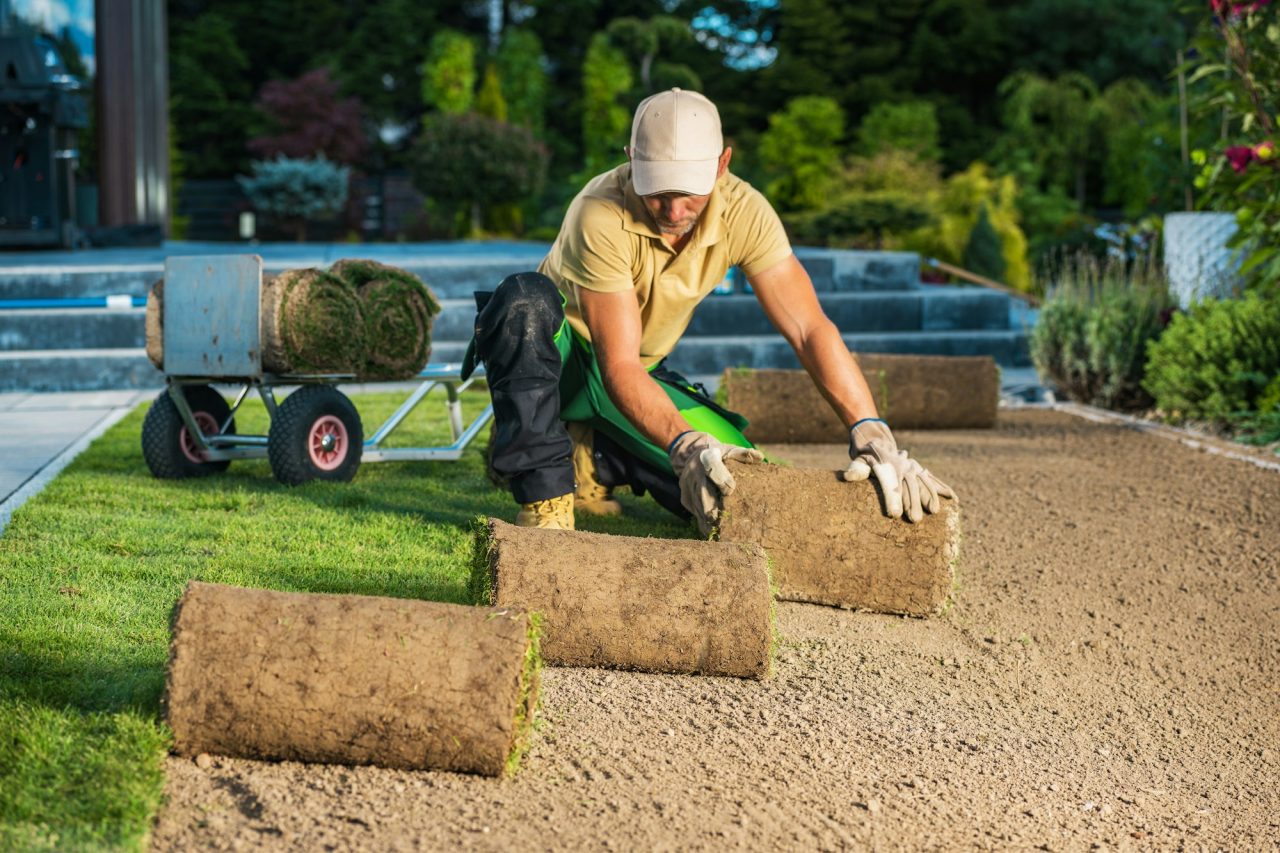
Soil preparation is crucial for successful lawn installation. Whether you’re laying sod or seeding, proper soil preparation will ensure that your grass has the nutrients and structure it needs to thrive.
1. Tools and Equipment for Soil Preparation
Basic tools like shovels, rakes, and tillers are essential for preparing the soil for a new lawn. A soil test kit will help determine the pH and nutrient levels in the soil, while a leveling rake ensures an even surface for laying sod or spreading seed.
2. Testing and Amending Soil Before Lawn Installation
Testing your soil before installation allows you to identify any deficiencies. Most grasses prefer a slightly acidic soil with a pH between 6.0 and 7.0. Amend the soil as necessary with lime to raise pH or sulfur to lower it. Adding organic compost or other nutrients can also enhance soil fertility and promote healthy root growth.
3. How to Level the Ground for Lawn Installation
An even lawn is not only aesthetically pleasing but also prevents drainage issues. After tilling the soil, use a leveling rake to smooth out any uneven areas. For large spaces, a lawn roller can help compact the soil and create a uniform surface before sod or seed installation.
4. Best Practices for Adding Nutrients to Lawn Soil
Incorporating a balanced fertilizer or organic compost into the soil before lawn installation helps establish strong roots. Focus on nutrients like nitrogen, phosphorus, and potassium, which are vital for lawn health. Organic soil amendments like bone meal or worm castings can also boost soil fertility.
5. Organic Soil Preparation Techniques for Healthy Lawns
For homeowners looking to create an eco-friendly lawn, organic soil preparation is key. Instead of chemical fertilizers, use natural compost and organic soil conditioners. Mulching grass clippings into the lawn also adds essential nutrients back into the soil, promoting long-term sustainability.
Artificial Turf Installation
Artificial turf has become an increasingly popular alternative to natural grass, especially in areas with water restrictions or for homeowners seeking a low-maintenance solution. Understanding the pros and cons of artificial turf vs. natural grass is essential when deciding on the right option for your landscape.
1. Benefits of Artificial Turf vs. Natural Grass
Artificial turf requires little to no maintenance, making it an attractive option for busy homeowners. It eliminates the need for watering, mowing, or fertilizing, which can lead to significant long-term savings. However, upfront installation costs for artificial turf are generally higher than for natural grass.
2. Environmental Impact of Artificial Turf
While artificial turf helps reduce water consumption, its production can have environmental costs. Choosing eco-friendly, recyclable materials for your artificial turf can minimize these effects. Additionally, turf can reduce the carbon footprint by eliminating gas-powered lawn equipment like mowers and trimmers.
3. Aesthetic Differences: Artificial Turf vs. Real Grass
Modern artificial turf has come a long way in mimicking the look and feel of natural grass. However, some homeowners may still prefer the authentic appearance of real grass, especially in high-end landscapes. Artificial turf can be customized in color, texture, and height to match your aesthetic preferences.
4. Best Artificial Turf for Different Climates
Artificial turf is versatile and can be installed in various climates, but certain types are better suited to specific environments. In wet climates like Vancouver, turf with good drainage is essential. For hot, dry regions, UV-resistant turf ensures longevity without fading.
5. How to Maintain Artificial Turf for Long-Term Use
Though low-maintenance, artificial turf still requires some upkeep to stay in top shape. Regularly brush the fibers to prevent matting, and use a leaf blower to remove debris. Seasonal cleaning and disinfecting can also help maintain the turf’s appearance and hygiene.
Custom Rock Gardens & Block Garden Borders
Custom rock gardens and block garden borders can add both aesthetic and practical benefits to your landscape. Rock gardens can help reduce erosion and water usage, while block borders provide clean edges and structure to your garden design.
1. How to Design a Rock Garden for Your Landscape
Rock gardens are a low-maintenance option that works well in Vancouver’s climate. Choose durable, weather-resistant rocks like granite or basalt, and pair them with drought-tolerant plants for an eco-friendly design.
2. Best Materials for Block Garden Borders
Concrete and natural stone are the most durable materials for garden borders. These materials are weather-resistant and provide a clean, polished look. For a more natural aesthetic, consider using reclaimed stone or wood.
By choosing the right materials, preparing the soil properly, and selecting the best grass or artificial turf for your climate, you can create a beautiful, sustainable lawn that enhances your home’s outdoor space.