
- Long-Term Savings with Artifitial Turf
- Upfront Installtion Costs for Artifitial Turf vs. Natural grass
- Hidden Costs of Maintaining Natural Grass
- Environmental Costs of Artificial Turf Production
- Warranty and Lifespan Considerations for Turf Options
- Reducing Water Consumption with Artificial Turf
- Chemical Use in Artificial Turf vs. Natural Grass
- Recycling and Disposal of Artificial Turf
- Artificial Turf and Wildlife: Benefits and Risks
- How Artificial Turf Reduces Carbon Footprint
- Visual Comparison: Artificial vs. Real Grass
- Texture and Feel: Artificial Turf vs. Natural Grass
- Customizing Artificial Turf for Different Lawn Styles
- Matching Turf Color to Natural Grass
- Designing with Artificial Turf for Residential Landscapes
- How Artificial Turf Performs in Wet Climates
- Choosing the Right Turf for Hot and Dry Regions
- Cold-Resistant Artificial Turf for Snowy Areas
- Environmental Costs of Artificial Turf Production
- Durability of Artificial Turf in High-Humidity Environments
- UV Resistance and Fading Prevention in Artificial Turf
- Tools and Equipment for Artificial Turf Maintenance
- Cleaning and Disinfecting Artificial Turf: Best Practices
- Seasonal Maintenance Tips for Artificial Turf
- Repairing Damage to Artificial Turf: DIY vs. Professional Help
- How to Prevent Weeds from Growing in Artificial Turf
- Budget-Friendly Artificial Turf Installation Tips
- Long-Term Savings: Lowering Maintenance Costs with Artificial Turf
- Financing Options for Artificial Turf Installation
- How to Choose Affordable, High-Quality Artificial Turf
- Artificial Turf vs. Low-Water Natural Grass Options
- Recyclable and Sustainable Artificial Turf Materials
- How Artificial Turf Reduces Water Usage in Landscaping
- Comparing Environmental Impact: Turf vs. Traditional Lawns
- Artificial Turf and Carbon Footprint Reduction
- Green Certifications and Eco-Friendly Turf Brands
Artificial Turf Installation: The Modern Solution for Beautiful, Low-Maintenance Landscaping
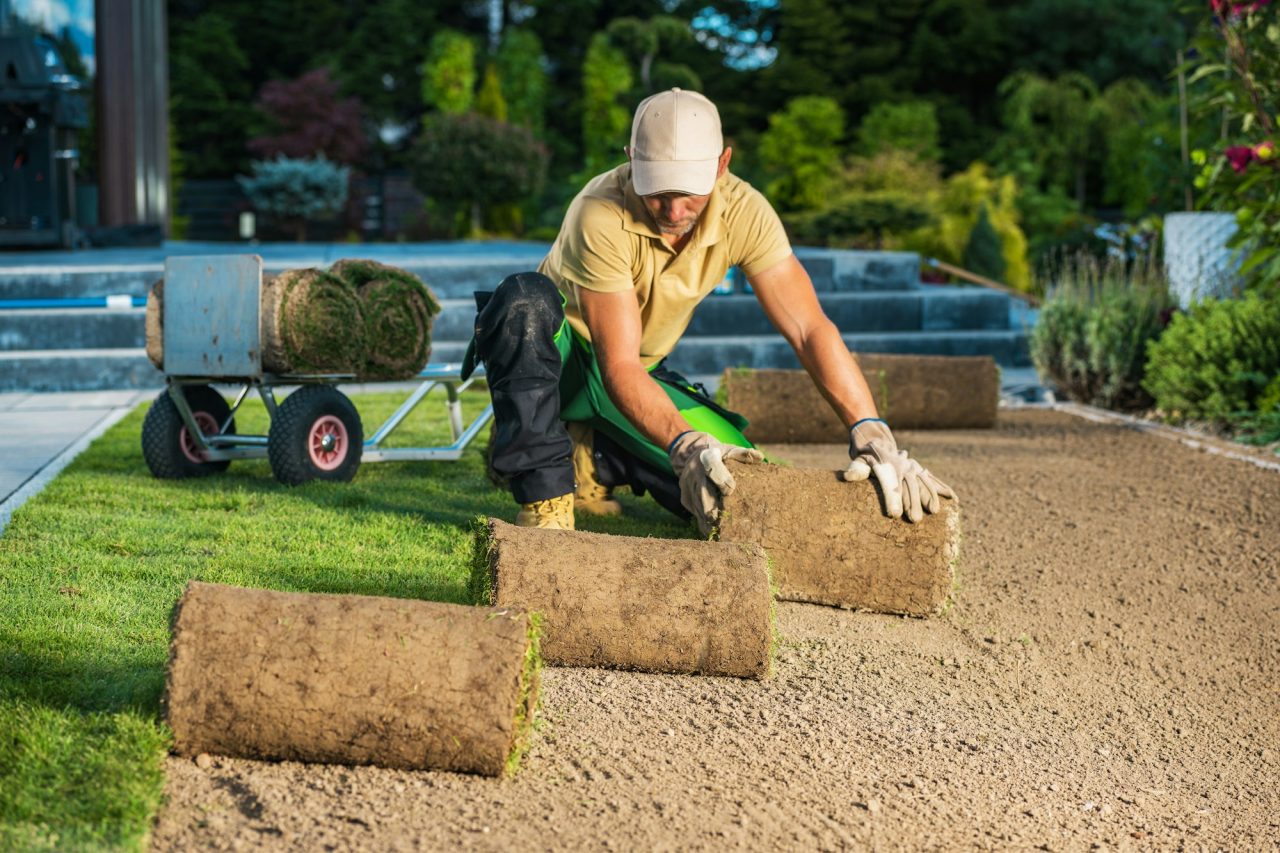
Installing artificial turf has become an increasingly popular choice for homeowners across Canada. Whether you’re looking to save time on yard work, reduce water consumption, or create a more sustainable landscape, artificial turf offers plenty of benefits compared to natural grass. In this guide, we’ll explore why more Canadians are choosing artificial turf for their landscaping projects and break down the key factors to consider when making the switch.
Benefits of Artificial Turf vs. Natural Grass
1. Long-Term Savings with Artificial Turf Artificial turf might come with a higher upfront installation cost compared to natural grass, but the long-term savings make it a smart investment. With artificial turf, you won’t need to worry about regular mowing, watering, or fertilizing, significantly reducing maintenance costs over time. This means less money spent on lawn care services, water bills, and lawn care products.
2. Upfront Installation Costs: Artificial Turf vs. Natural Grass While the initial installation of artificial turf may seem expensive, it can be a more cost-effective option in the long run. The upfront costs typically cover the price of high-quality turf, labor, and necessary base materials to ensure proper installation. On the other hand, natural grass might seem cheaper at first, but when you factor in long-term care expenses, artificial turf becomes the more economical choice.
3. Hidden Costs of Maintaining Natural Grass Natural grass requires constant upkeep—watering, fertilizing, weed control, and pest management. These hidden costs quickly add up, making natural grass lawns expensive over time, both in terms of money and environmental impact.
4. Warranty and Lifespan Considerations Most high-quality artificial turf products come with warranties ranging from 8 to 15 years, depending on the brand. With minimal upkeep, artificial turf can last up to 20 years, making it a long-lasting option for homeowners who want a durable, low-maintenance landscape solution.
Environmental Impact of Artificial Turf
1. Reducing Water Consumption One of the most significant environmental benefits of artificial turf is its ability to reduce water consumption. In a time when water conservation is critical, especially in regions prone to drought, artificial turf provides an eco-friendly solution. No more sprinklers, no more excessive water bills.
2. Chemical Use: Artificial Turf vs. Natural Grass Maintaining a natural grass lawn often requires harmful chemicals like fertilizers, pesticides, and herbicides. Artificial turf eliminates the need for these chemicals, contributing to a healthier environment for your family and pets.
3. Recycling and Disposal of Artificial Turf Modern artificial turf options are increasingly recyclable, meaning that at the end of their lifespan, they can be repurposed rather than sent to landfills. Look for brands that offer recycling programs or use eco-friendly materials.
4. Artificial Turf and Wildlife Artificial turf can offer certain benefits for wildlife, such as providing a non-toxic surface free of chemicals. However, it can also reduce habitats for insects and small animals, so it’s essential to consider how the installation might impact your local ecosystem.
5. Reducing Carbon Footprint By cutting down on lawn maintenance equipment like gas-powered mowers and water usage, artificial turf can significantly reduce your home’s carbon footprint. It’s an environmentally conscious choice for those looking to minimize their impact on the planet.
Aesthetic Differences: Artificial Turf vs. Real Grass
1. Visual Comparison Artificial turf has come a long way in recent years, with many products now closely mimicking the look of real grass. High-quality turf is nearly indistinguishable from natural grass, providing a consistently green, lush appearance year-round.
2. Texture and Feel The texture of artificial turf has also improved, offering a softer feel underfoot compared to older, harsher versions. While it won’t be identical to natural grass, premium artificial turf options are designed to feel comfortable while remaining durable.
3. Customizing Your Lawn Artificial turf offers the unique advantage of customization. You can choose different turf styles, lengths, and colors to match your aesthetic preferences and landscaping needs.
Best Artificial Turf for Different Climates
1. Performance in Wet Climates In wetter areas, it’s crucial to select artificial turf with excellent drainage to avoid pooling water. Look for turf products designed specifically for high-rainfall environments to prevent mold and bacteria growth.
2. Turf for Hot and Dry Regions For hotter climates, UV-resistant turf is key to preventing fading or damage from prolonged sun exposure. These turf types are built to withstand extreme temperatures and retain their color and integrity over time.
3. Cold-Resistant Turf for Snowy Areas If you live in a region with heavy snowfall, choose artificial turf that is designed to withstand freezing temperatures and resist damage from ice and snow removal. Cold-resistant turf remains flexible and durable through harsh winter conditions.
How to Maintain Artificial Turf for Long-Term Use
1. Tools and Equipment Maintaining artificial turf is simple, with basic tools like a leaf blower, rake, and stiff brush being all you need to keep it looking great. These tools help remove debris and refresh the fibers, keeping your lawn lush and clean.
2. Seasonal Maintenance Although artificial turf requires much less care than natural grass, a little seasonal maintenance can go a long way. In fall, remove leaves and debris regularly. In winter, ensure that snow or ice is properly managed without damaging the turf.
3. Preventing Weed Growth Weeds can sometimes grow around the edges of artificial turf installations. To prevent this, ensure a proper base and edging are installed, and consider using a weed membrane underneath the turf to block unwanted growth.
Cost-Effective Artificial Turf Solutions for Homeowners
1. Budget-Friendly Installation Tips If you’re working with a budget, consider DIY installation or partnering with a local company that offers financing options. Opting for smaller areas of turf can also help keep costs down while still reaping the benefits.
2. Long-Term Savings Once installed, the low maintenance costs associated with artificial turf—no watering, mowing, or expensive fertilizers—mean you’ll save money year after year.
Eco-Friendly Artificial Turf Options
1. Recyclable Materials Choosing artificial turf made from recyclable or sustainable materials ensures that your lawn is as eco-friendly as possible. Look for brands that focus on reducing environmental impact.
2. Water Conservation Artificial turf reduces your home’s water usage, making it a more environmentally responsible choice, especially in areas prone to drought or with water restrictions.
By considering these factors and choosing the right artificial turf for your specific needs, you can enjoy a beautiful, low-maintenance lawn that saves time, money, and water—while contributing to a more sustainable future. Whether you’re looking to reduce your carbon footprint or simply want a yard that stays green year-round, artificial turf is a smart investment for Canadian homeowners.