
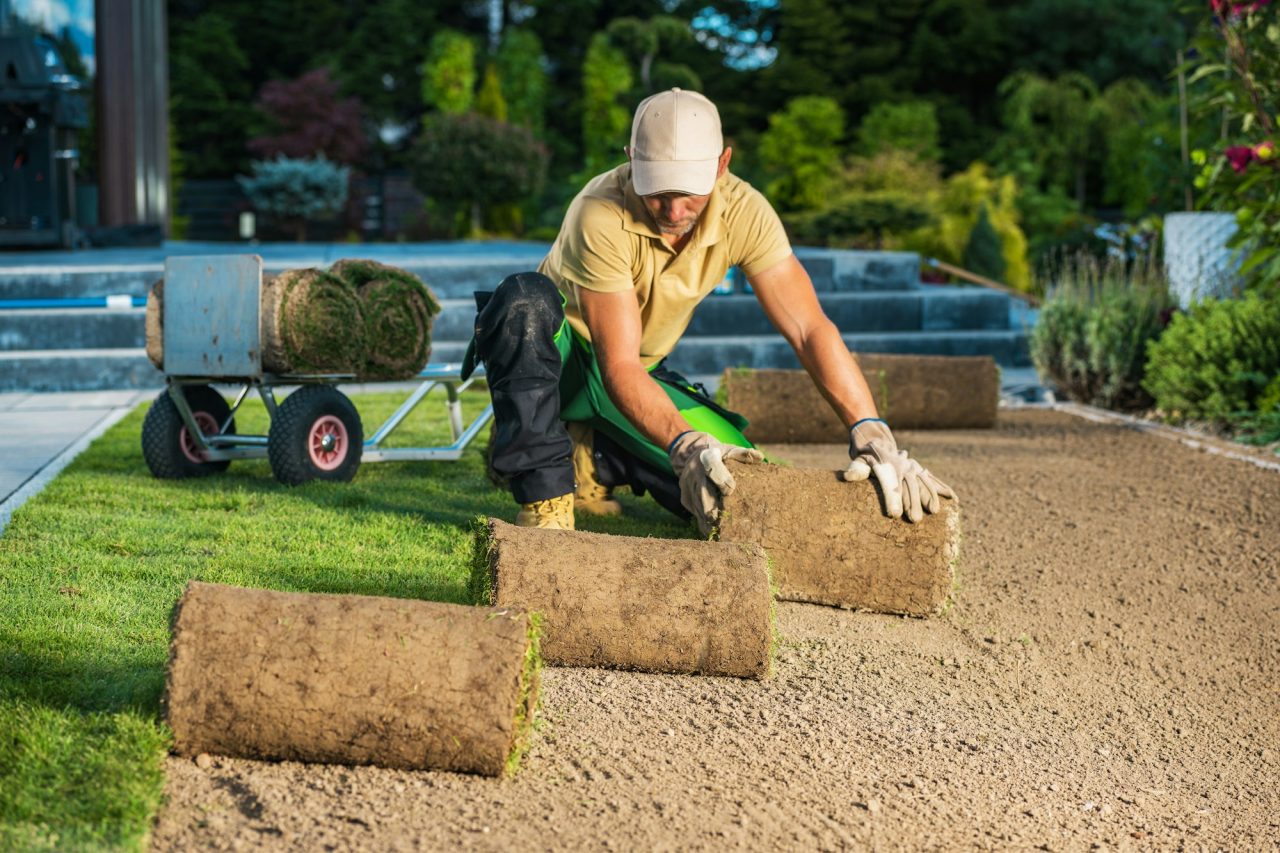
- Initial Site Survey and Planning
- Clearing the Land Before Excavation Begins
- Trenching and Digging Techniques in Site Excavation
- Soil Compaction and Stabilization After Excavation
- Backfilling and Grading for a Finished Site
- Excavation Requirements for Different Types of Foundations
- Preparing for Utility Installation During Excavation
- How Excavation Ensures Long-Term Foundation Stability
- Foundation Drainage Systems and Their Role in Excavation
- Excavation for Additions and Remodels
- Cut and Fill Excavation: How It Works
- Trenching Excavation for Utilities and Drainage
- Grading Excavation to Create Level Surfaces
- Hydro Excavation: When and Why to Use It
- Borrow Excavation: What It Is and How It’s Used
- Excavation Challenges in Urban Residential Areas
- Differences Between Residential and Commercial Excavation Permits
- Excavation for Multi-Family Residential Projects
- Excavation for Large Commercial Buildings: What to Expect
- How to Manage Utility Conflicts in Commercial Excavation
- OSHA Excavation Safety Standards
- Trench Safety: Preventing Cave-Ins and Accidents
- How to Protect Workers and Property During Excavation
- Addressing Soil Instability and Its Risks
- Emergency Response Plans for Excavation Sites
- Terrain Challenges and Their Impact on Costs
- Equipment Needs and How They Affect Pricing
- The Role of Soil Type in Determining Excavation Costs
- Project Scope and Its Impact on Excavation Budgets
- Permitting and Environmental Costs in Excavation
Comprehensive Guide to Excavation and Site Leveling Services in Vancouver
If you’re planning a construction project in Vancouver, excavation and site leveling services are vital to ensuring your project starts on a stable foundation. From preparing land for new developments to managing drainage systems, these services play a key role in the long-term success of any build. In this guide, we’ll take you through the essential steps of site excavation, types of excavation, safety protocols, and cost considerations to help you better understand the process and what to expect.
Key Steps in the Site Excavation Process
Initial Site Survey and Planning
Every excavation project begins with a thorough site survey. This step ensures that the land is properly assessed for any potential obstacles or challenges like underground utilities, unstable soil, or existing structures.Clearing the Land Before Excavation Begins
Once the site survey is complete, the next step involves clearing the land. This includes removing trees, vegetation, rocks, and debris to create a clear space for excavation.Trenching and Digging Techniques in Site Excavation
Trenches are often dug for utilities such as water, gas, and electricity. Different digging techniques are used depending on the soil type and the depth required. This ensures proper installation of these essential utilities.Soil Compaction and Stabilization After Excavation
After the initial excavation, soil compaction is crucial to stabilize the ground. This step reduces the risk of future settling, which could compromise the integrity of the construction.Backfilling and Grading for a Finished Site
Once the trenches are in place and the soil is compacted, backfilling is performed. Grading the site ensures it is level and ready for the foundation, improving drainage and preventing erosion.
How Excavation Prepares Land for Foundation Building
Excavation Requirements for Different Types of Foundations
The type of foundation—whether it’s a slab, crawl space, or full basement—will determine the depth and methods of excavation. This ensures the structure is built on a strong, stable base.Preparing for Utility Installation During Excavation
Proper excavation involves planning for future utility installations, such as plumbing, electrical lines, and drainage systems. Trenching ensures these utilities are safely embedded and protected.How Excavation Ensures Long-Term Foundation Stability
A well-executed excavation helps prevent foundation shifting or sinking by addressing soil composition, drainage, and compaction. This is critical for the long-term durability of your building.Foundation Drainage Systems and Their Role in Excavation
Excavating for drainage systems, like French drains or weeping tiles, prevents water from accumulating around your foundation, which could lead to flooding or erosion.Excavation for Additions and Remodels
Even for existing structures, excavation is essential when adding extensions. Specialized techniques ensure that new foundations align with the existing structure, avoiding damage.
Different Types of Excavation: Cut and Fill, Trenching, and Grading
Cut and Fill Excavation: How It Works
Cut and fill techniques involve removing excess material (cut) and filling in low areas to create a level base. This is commonly used in large-scale developments.Trenching Excavation for Utilities and Drainage
Trenches are essential for laying water, sewer, and electrical lines. Proper trenching ensures these systems are properly installed without disrupting the landscape or causing drainage issues.Grading Excavation to Create Level Surfaces
Grading ensures that the land is level or slopes correctly for drainage. This is particularly important in Vancouver, where proper water management can prevent erosion and flooding.Hydro Excavation: When and Why to Use It
Hydro excavation uses high-pressure water to break up the soil and is ideal for sensitive areas where traditional digging could damage existing utilities.Borrow Excavation: What It Is and How It’s Used
When extra soil is needed for a project, borrow excavation sources materials from another location. This process ensures the project site has enough material for grading and leveling.
Excavation in Residential vs. Commercial Projects
Excavation Challenges in Urban Residential Areas
Limited space and proximity to neighboring buildings in urban areas require careful excavation techniques to avoid damaging surrounding properties.Differences Between Residential and Commercial Excavation Permits
Permits for commercial projects tend to be more stringent, often requiring more detailed environmental and safety assessments.Excavation for Multi-Family Residential Projects
Larger residential projects, like apartment buildings, often require more complex excavation due to the scale and need for utilities and drainage systems.Excavation for Large Commercial Buildings: What to Expect
Commercial excavation often involves larger equipment, deeper digging, and more complex site preparation, especially for high-rise buildings or malls.How to Manage Utility Conflicts in Commercial Excavation
Managing existing underground utilities is critical in commercial projects to avoid delays and costly damage during the excavation process.
Safety Protocols for Site Excavation
OSHA Excavation Safety Standards
Compliance with OSHA standards is essential to ensure that all excavation projects are conducted safely. This includes providing safe access to trenches and maintaining protective systems.Trench Safety: Preventing Cave-Ins and Accidents
Trench cave-ins can be fatal, so proper shoring, sloping, and benching techniques are required to keep workers safe during deep trenching.How to Protect Workers and Property During Excavation
Safety gear, proper signage, and careful planning prevent accidents and property damage during the excavation process.Addressing Soil Instability and Its Risks
Identifying unstable soil before excavation begins ensures that proper stabilization measures can be taken to prevent accidents and long-term structural issues.Emergency Response Plans for Excavation Sites
Having a solid emergency response plan in place helps ensure swift action in case of an accident or unexpected event, protecting both workers and property.
Factors That Influence Excavation Costs in Vancouver
Terrain Challenges and Their Impact on Costs
Vancouver’s varied terrain, from rocky hills to soft clay soils, can significantly influence excavation costs. Difficult landscapes often require more specialized equipment and labor.Equipment Needs and How They Affect Pricing
Larger projects may require heavy machinery like bulldozers, backhoes, and excavators, which increases the cost of the project.The Role of Soil Type in Determining Excavation Costs
Soil testing is crucial, as different soil types like clay, sand, or rock can require different excavation techniques, which affect the cost.Project Scope and Its Impact on Excavation Budgets
Larger, more complex projects will naturally cost more due to the increased need for labor, materials, and time.Permitting and Environmental Costs in Excavation
In Vancouver, permits are required for most excavation projects, and these come with associated costs. Environmental assessments and erosion control measures also add to the overall cost.
By understanding the steps involved in excavation and site leveling, as well as the factors that influence costs, you can plan and budget for your Vancouver construction project more effectively. Investing in professional excavation services ensures your site is properly prepared, setting the foundation for a safe and durable build.